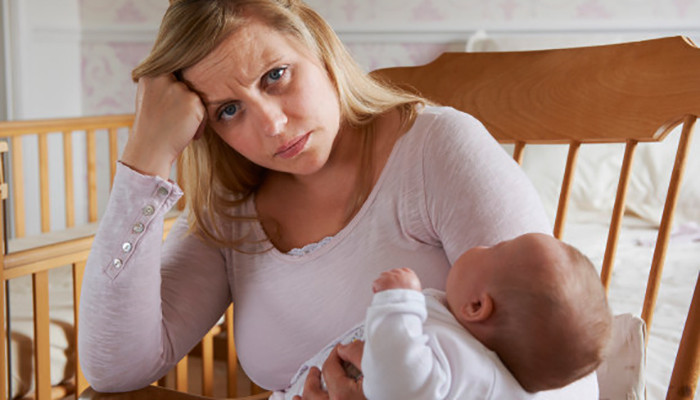
Every pregnancy brings physical and emotional changes, and the postpartum period can feel especially intense. For surrogates, this transition sometimes looks different from what traditional new mothers experience. You’re recovering from birth, your daily routine shifts overnight, and the baby you’ve carried is now in the care of the intended parents. These changes can stir up a range of emotions — some expected, some surprising.
Feeling sad, overwhelmed or “off” after giving birth is common and often falls under what’s known as the baby blues. But when these feelings linger or intensify, it may be something more: postpartum depression (PPD).
PPD can affect any birthing person, including surrogates, and recognizing what’s happening is an important first step toward feeling better. This guide breaks down what PPD is, why it can happen after a surrogate pregnancy and how to get support if you need it.
Understanding Postpartum Emotions in Surrogacy
After delivery, your body and mind begin a major transition. Hormones shift rapidly. Your appointment schedule suddenly disappears. The intended parents start bonding with their baby. And your own routine, which was built around pregnancy for months, changes instantly.
Surrogates often describe this period as an emotional “reset.” You may feel relief, pride, fatigue, or even unexpected sadness. All of these reactions are normal.
The key difference is timing and intensity:
- Baby blues usually appear a few days postpartum and fade within two weeks.
- Postpartum depression lasts longer, interferes with daily life and may show up weeks or months after birth.
What Is Postpartum Depression?
Postpartum depression is a medical condition, not a personal flaw or a sign you did something wrong. It includes symptoms such as:
- persistent sadness or tearfulness
- loss of interest in normal activities
- anxiety or irritability
- sleep issues (not related to newborn care)
- appetite changes
- trouble concentrating
- feeling disconnected from yourself or others
PPD can last weeks, months, or longer if untreated. While it affects an estimated 1 in 7 birthing parents, it’s highly treatable with the right care.
What Causes Postpartum Depression in Surrogates?
No single cause explains postpartum depression, but several factors can play a role.
Biological Factors
After you give birth, your hormone levels shift quickly, especially estrogen and progesterone. Those changes can impact your mood, energy and overall emotional balance. It’s a normal part of postpartum recovery, but for some people, the transition can feel especially intense.
Personal or Genetic Factors
You may be more likely to experience PPD if you have a history of:
- depression or anxiety
- mood disorders
- trauma
- substance use issues
- stressful life events during the pregnancy
None of these risk factors guarantees you’ll develop PPD, but they can help you understand what to watch for so you can check in on your mental well-being after delivery.
Surrogacy-Specific Factors
Surrogacy adds its own layer of complexity to the postpartum experience. A few things unique to surrogates can influence how you feel after birth, including:
- shifting back to your usual routine after months of medical appointments
- going from frequent communication with intended parents to less day-to-day contact
- recovering physically from IVF medications and pregnancy
- adjusting emotionally once the baby goes home with their family
- fielding questions or misunderstandings from friends or relatives who may not fully “get” surrogacy
These changes can feel big, even if you were fully prepared for them. Giving yourself space to check in, talk openly and ask for support early can make a meaningful difference.
Read More: The Importance of Mental Health Check-Ins in Surrogacy
Do Surrogates Get Postpartum Depression More Often?
There’s no solid research showing that surrogates are more likely to experience PPD than traditional new mothers. But the context of surrogacy can make mood changes feel different or more unexpected.
What matters most is staying aware of how you’re feeling and speaking up if something doesn’t feel right. PPD is treatable, and early support makes a meaningful difference.
Have questions about emotional support during or after surrogacy? We’re here to help you feel informed, supported and connected throughout your journey. Contact Joy of Life to talk with our team.
Treatments for Surrogates Experiencing Postpartum Depression
Talk Therapy
Talking with someone who understands postpartum mental health can be incredibly grounding. Therapists help you:
- process emotions
- Manage anxiety
- understand triggers
- create coping strategies
If opening up to friends or family feels hard, a professional offers a confidential, judgment-free space to work through what you’re feeling.
Medications
For some, medication is a helpful tool. Antidepressants or anti-anxiety medications can rebalance brain chemistry and ease symptoms. If medication is recommended, your provider will choose an option that fits your health history and postpartum needs.
How Surrogacy Can Affect Relationships and Family
Support systems matter, but they can shift in unexpected ways during surrogacy. Friends or relatives may not fully understand the emotional experience of carrying and delivering a baby for someone else. That can make it harder to share what you’re feeling.
It can help to:
- Set clear expectations with loved ones before delivery
- Talk openly about what support you’ll need afterward
- Stay connected with your agency or support network
Feeling understood and supported goes a long way in easing the postpartum transition.
How Joy of Life Supports Our Surrogates
Surrogacy is a meaningful experience, but it also comes with real emotional ups and downs. At Joy of Life, our goal is to make sure you never have to navigate any part of that alone.
Instead of being paired with just one case manager, you receive an entire support team. This means you always have someone to reach out to, whether you need a quick answer, help navigating a tough moment or simply someone who will listen without judgment. Our team stays connected throughout the entire journey, regularly checking in, offering guidance and helping you understand what to expect at every stage. We take your emotional well-being seriously, and you’ll never have to figure things out on your own.
We also believe deeply in community. Surrogacy can be a unique experience, and connecting with other people who understand it firsthand can make a big difference. Joy of Life hosts regular events where surrogates can meet, share stories, ask questions and build a support system that lasts long after delivery.
Combined with ongoing check-ins, access to resources and help coordinating emotional or mental health support when needed, your well-being is treated as a central part of the process, not an afterthought. You’re supported by a team, surrounded by community and given space to care for yourself every step of the way.
Thinking About Surrogacy or Need Support?
Whether you’re currently a surrogate or considering the journey in the future, it’s important to know you have support during every stage, including postpartum. If you have questions about emotional health, resources or what to expect after delivery, we’re here to help.
Contact Joy of Life to connect with our team and get the guidance you need.
Additional Resources
If you’re navigating postpartum emotions or want to learn more about mental health after birth, these organizations offer trustworthy information and support:
- Postpartum Support International (PSI): Offers helplines, virtual support groups and a directory of providers who specialize in postpartum mood disorders.
- National Maternal Mental Health Hotline: 24/7, free, confidential support from trained counselors. Call or text: 1-833-TLC-MAMA (1-833-852-6262)
- SAMHSA National Helpline: A confidential, 24/7 referral service for mental health and substance use treatment resources. Phone: 1-800-662-HELP (4357)
- Postpartum Health Alliance: Provides education, resources and support for individuals experiencing postpartum anxiety or depression.